James Markey
All the Bright PlacesJames Markey, Violet Markey’s father, is defined by the tension between trusting his daughter’s growing independence and trying to protect her from further harm. His response to Theodore Finch shifts from cautious permission to an outright prohibition after Violet returns home late, making him a parental counterforce to the couple’s freedom to be together.
Family Role and Initial Trust
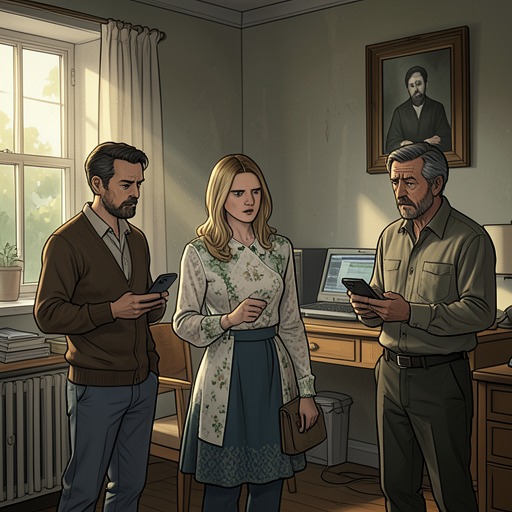
James’s support is guarded rather than unconditional. When Violet’s parents discuss Theodore Finch, her mother explains that they have told him they are putting their trust in him and appreciate that he has helped Violet get back in the car. Their permission comes with limits: Violet is to be safe and attend class. James also asks for Theodore’s phone number and contact information for his parents, framing trust as something accompanied by accountability and adult involvement.
That qualified approval recognizes a concrete change in Violet: she is driving again after having been unable to do so. James is therefore not simply an opponent of her relationship with Theodore; at first, he acknowledges the part Theodore has played in her recovery while retaining the authority to set conditions.
The Late Return and Reversal
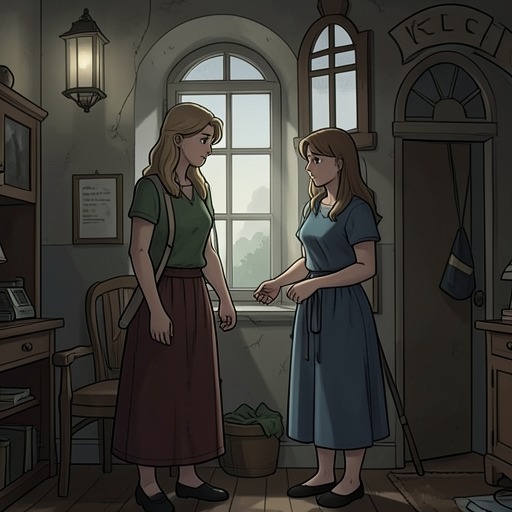
When Violet and Theodore arrive home after losing track of time, James appears at the open doorway looking, in Violet’s perception, as though he has aged twenty years overnight. He checks her face to make sure she is all right, then pulls her into a tight hug. His immediate physical response conveys alarm and relief before he tells her to go inside and say goodbye to Theodore, in a tone Violet understands as final.
Theodore takes responsibility, telling Violet’s parents that the lateness was his fault and asking them not to blame her. Violet counters that it is not his fault. The exchange places James between two teenagers trying to protect one another and a parent confronting the possibility that his daughter has been endangered. His concern is rooted in her safety, but it also turns the moment into a decisive rupture in their freedom to continue the relationship.
Protection and Conflict
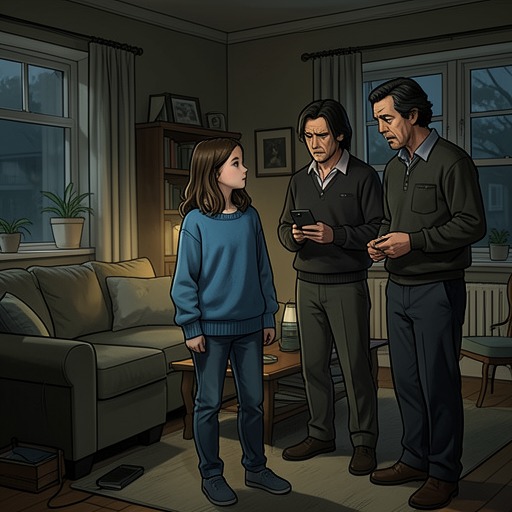
James makes the prohibition explicit: Violet is no longer to see Theodore or drive around with him. He says he will speak to her teacher on Monday if necessary and offers a report or other work to make up for missed schoolwork. The practical alternative underscores that his decision concerns both her safety and her responsibilities; he is willing to address the academic consequences, but not to permit the same arrangement to continue.
Violet connects her parents’ protectiveness to the death of her sister, Eleanor Markey, asking whether they intend to keep her inside forever so that nothing similar can happen again. James’s actions support the sense that fear of losing Violet shapes the conflict, though the available scene shows his limits rather than an easy resolution: he listens to her challenge but maintains the ban. His characterization rests on that uneasy combination of tenderness and control—the father who checks that Violet is unharmed and holds her close, then draws a boundary she experiences as a threat to her relationship and independence.